
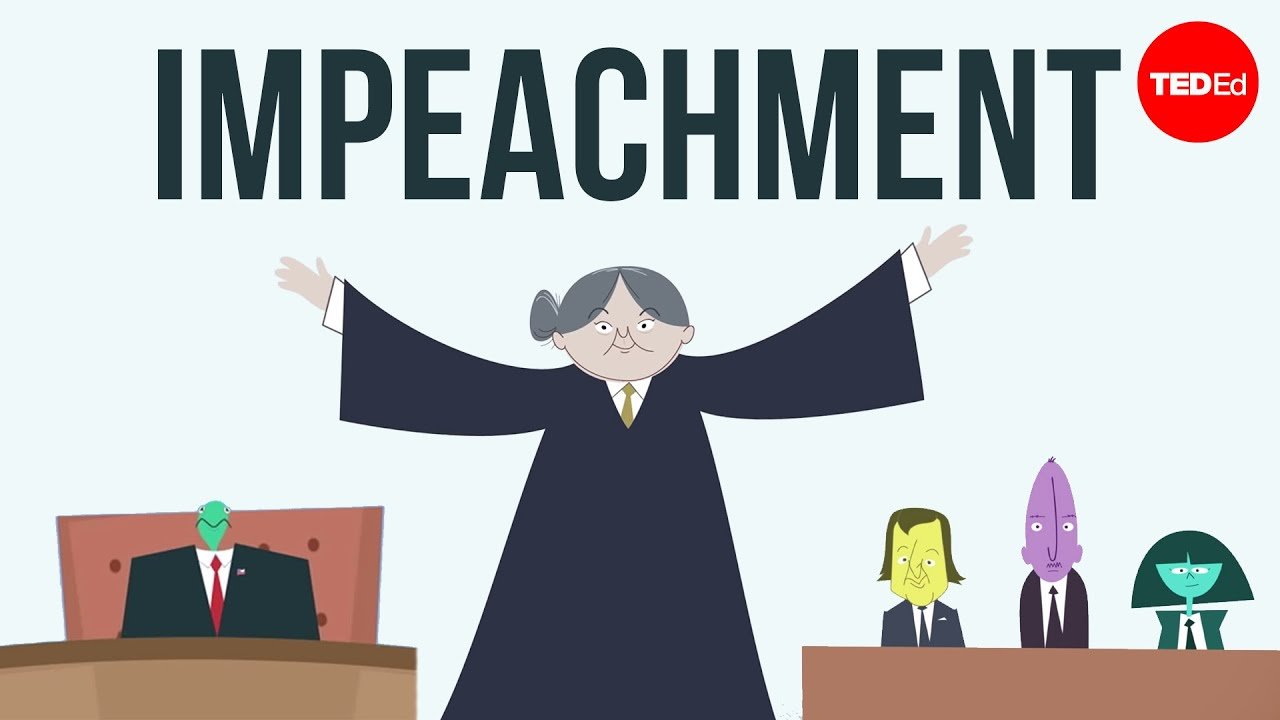
Impeachment is a constitutional process used in some countries to investigate and potentially remove certain public officials from office. The term is often discussed in connection with presidents, but depending on a country’s legal system, other government officials may also be subject to impeachment. Because impeachment involves questions of law, government authority, and accountability, it can become an important part of a country’s political system.
What Is Impeachment?
Impeachment generally refers to a formal accusation that a public official has committed serious misconduct or violated constitutional or legal responsibilities. It is important to understand that impeachment is not necessarily the same as removal from office.
In systems such as that of the United States, impeachment begins when the relevant legislative body approves articles of impeachment. If an official is impeached, the process can then move to another stage, such as a trial or proceeding to determine whether the official should be removed.
The exact rules vary considerably between countries. Each constitutional system establishes its own procedures, grounds, and consequences.
How Does the Impeachment Process Work?
The impeachment process depends on the country’s constitution and laws. In the United States, for example, the House of Representatives has the authority to impeach federal officials. A majority vote is required to approve an article of impeachment.
After impeachment by the House, the case involving a president or other impeached official can proceed to a trial in the Senate. In a presidential impeachment trial, the Chief Justice of the United States presides. Senators consider the charges and vote on whether to convict.
A conviction can result in removal from office. The Senate may also vote separately on whether a convicted official should be disqualified from holding future federal office.
Grounds for Impeachment
The reasons that can lead to impeachment vary according to the legal framework of each country. In the United States, the Constitution identifies “Treason, Bribery, or other high Crimes and Misdemeanors” as grounds for impeachment.
The phrase “high Crimes and Misdemeanors” has been the subject of considerable constitutional debate. It does not simply mean any ordinary criminal offense. Its interpretation has developed through historical practice, congressional proceedings, and legal scholarship.
Other countries may define grounds for removing officials differently, including violations of constitutional duties, corruption, abuse of authority, or serious misconduct.
Impeachment vs. Removal From Office
One of the most common misunderstandings about impeachment is that impeachment automatically removes an official from office. In systems where the two stages are separate, impeachment functions more like a formal charge.
For example, under the U.S. federal process, the House can impeach an official, but the Senate must convict the official before removal occurs. Therefore, an official can be impeached without ultimately being removed.
This distinction is important when discussing historical impeachment cases and political developments.
Historical Impeachment Cases
Impeachment has played a notable role in American political history. Several U.S. presidents have been impeached by the House of Representatives, including Andrew Johnson, Bill Clinton, and Donald Trump. Donald Trump was impeached twice.
These cases involved different allegations and political circumstances, demonstrating that impeachment proceedings can arise from a variety of disputes concerning presidential conduct and constitutional responsibilities.
Impeachment has also been used in other countries, although the procedures and legal consequences can differ significantly.
Why Is Impeachment Important?
Impeachment is designed to provide a constitutional mechanism for holding certain public officials accountable. It can serve as a check on government power by creating a formal process for addressing serious allegations against officials.
At the same time, impeachment can have significant political consequences. Proceedings may generate intense public debate, affect legislative relationships, and attract substantial media attention. For that reason, constitutional procedures and evidentiary standards are important parts of the process.
Final Thoughts
Impeachment is an important constitutional mechanism that allows certain governments to address serious allegations involving public officials. Its meaning and procedure vary from one country to another, so it is important to consider the relevant constitution and legal framework.
In the United States, impeachment by the House is distinct from conviction and removal by the Senate. Understanding this difference helps explain how impeachment works and why it remains an important feature of constitutional government and public accountability.