
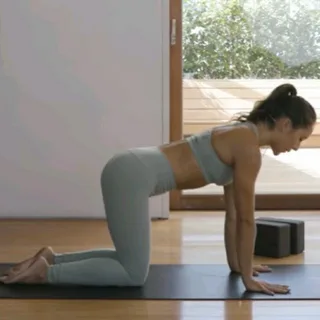
The question “come fare esercizio senza attrezzi”, which means “how to exercise without equipment,” is increasingly relevant for people who want to stay active at home, outdoors, or while traveling. You do not need an expensive gym membership or a collection of fitness machines to build an effective exercise routine. Your own body weight can provide enough resistance for a wide variety of movements.
Bodyweight training can improve strength, mobility, balance, coordination, and cardiovascular fitness. The key is choosing suitable exercises, using correct technique, and creating a routine that can be followed consistently.
Why Exercise Without Equipment?
One of the biggest advantages of exercising without equipment is convenience. You can perform many exercises in a bedroom, living room, garden, hotel room, or outdoor space. Since there is no special equipment to prepare, workouts can also be started quickly.
Bodyweight exercises can be adapted to different fitness levels. Beginners can use easier variations, while more experienced individuals can increase repetitions, slow down movements, reduce rest periods, or choose more challenging versions.
Another advantage is variety. A workout can include movements for the legs, upper body, core, and cardiovascular system without requiring weights or machines.
How to Start a Bodyweight Workout
Before exercising, spend several minutes warming up. A warm-up can include gentle walking in place, arm circles, hip movements, light squats, and controlled dynamic stretches.
A simple beginner workout might include five basic exercises:
-
Squats
-
Push-ups
-
Glute bridges
-
Lunges
-
Planks
Performing these movements with controlled technique is generally more useful than rushing through a large number of repetitions.
Squats for Lower-Body Strength
Squats are one of the most accessible bodyweight exercises. They primarily work the muscles of the legs and hips while also requiring core stability.
To perform a basic squat, stand with your feet approximately shoulder-width apart. Keep your chest comfortably upright, bend your knees and hips, and lower your body as far as is comfortable while maintaining control. Then push through your feet to return to the starting position.
Beginners can use a chair behind them as a reference for depth without relying on it for support.
Push-Ups for the Upper Body
Push-ups are a classic equipment-free exercise that can train the chest, shoulders, arms, and core.
If a standard push-up is difficult, beginners can start with wall push-ups or incline push-ups using a stable elevated surface. As strength improves, they can gradually move toward floor push-ups.
Maintaining a controlled body position is important. Avoid allowing the hips to sag excessively or rushing through the movement.
Glute Bridges and Lunges
Glute bridges are performed while lying on your back with your knees bent. You then lift your hips while engaging the muscles around the hips and buttocks before lowering yourself under control.
Lunges are another useful lower-body movement. They can challenge the legs individually and also require balance. Beginners can perform stationary split squats before progressing to walking lunges.
Both exercises can be modified according to fitness level and comfort.
Planks for Core Stability
Planks are commonly used to strengthen core muscles. A basic plank involves supporting the body on the forearms and toes while maintaining a relatively straight body position.
Instead of holding a plank for as long as possible, beginners can start with shorter intervals and focus on maintaining good form. The exercise can also be performed from the knees as an easier variation.
Adding Cardio Without Equipment
Equipment-free exercise does not have to be limited to strength training. You can also increase your heart rate through movements such as brisk walking, jogging in place, jumping jacks, mountain climbers, or step-ups on a safe, stable surface.
For lower-impact exercise, brisk walking and marching in place can provide good options. People who are new to exercise should increase intensity gradually rather than attempting an extremely demanding workout immediately.
Creating a Simple Weekly Routine
Consistency is more important than making every workout extremely long. A beginner might start with short sessions several times per week and gradually increase duration or intensity.
For example, a basic session could include a warm-up followed by squats, push-ups, lunges, glute bridges, and planks. Short periods of rest can be taken between exercises.
As fitness improves, you can increase repetitions, add another set, slow down the lowering phase of exercises, or select more challenging variations.
Safety and Proper Technique
When learning come fare esercizio senza attrezzi, safety should remain a priority. Choose a clear space where you can move comfortably and wear appropriate footwear when necessary.
Start gradually and pay attention to how your body feels. Normal muscular effort is different from sharp or severe pain. If an exercise causes pain, stop and reassess your technique or choose a suitable alternative.
People with existing medical conditions, significant injuries, or specific exercise restrictions should consider getting individualized advice from an appropriately qualified healthcare or fitness professional.
Conclusion
Learning come fare esercizio senza attrezzi is a practical way to make physical activity part of everyday life. Bodyweight exercises such as squats, push-ups, lunges, glute bridges, and planks can form the foundation of a balanced workout without requiring expensive equipment.
The most effective routine is one that matches your current ability and can be performed consistently. By starting gradually, focusing on technique, and progressively challenging yourself, you can create a convenient equipment-free fitness routine at home or almost anywhere.