
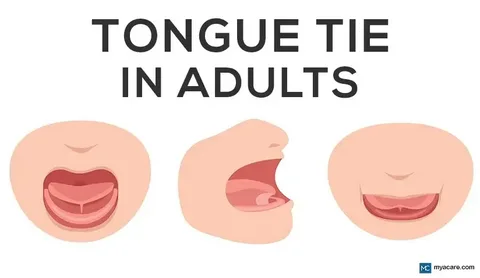
Posterior tongue tie is a condition that has gained increased attention in recent years among parents, healthcare providers, and lactation consultants. Unlike the more obvious anterior tongue tie, posterior tongue tie can be more difficult to detect but can still have a significant impact on feeding, speech, and oral health. This article will explore what posterior tongue tie is, its symptoms, how it is diagnosed, treatment options, and its potential effects on infants, children, and adults.
What is Posterior Tongue Tie?
Tongue tie, or ankyloglossia, is a congenital condition in which a band of tissue (the lingual frenulum) under the tongue is abnormally short, thick, or tight, restricting the tongue’s range of motion. In posterior tongue tie, the restriction is located further back toward the base of the tongue, making it less visible than anterior tongue tie.
While an anterior tongue tie is often easy to spot—a thin membrane tethering the tip of the tongue to the floor of the mouth—a posterior tongue tie is subtler. The frenulum may be hidden under the mucous membrane, and the restriction is more about the functional movement of the tongue rather than a visible tether at the tip.
Symptoms and Signs of Posterior Tongue Tie
Posterior tongue tie can present with a variety of symptoms, which may differ depending on age and the severity of the restriction.
In Infants
- Breastfeeding Difficulties: Babies with posterior tongue tie may struggle to latch properly, causing nipple pain or damage for the mother. Feeding sessions may be long, frequent, or ineffective.
- Poor Weight Gain: Difficulty in effectively transferring milk can lead to slow weight gain or even weight loss.
- Clicking Sounds: Audible clicking during feeding, which indicates loss of suction.
- Gassiness and Reflux: Swallowing air during feeds can lead to increased gassiness, fussiness, or symptoms of reflux.
In Children
- Speech Difficulties: Some children may develop articulation problems, particularly with sounds that require the tongue to lift or move freely (e.g., “l,” “r,” “t,” “d,” “th”).
- Messy Eating: Difficulty moving food around the mouth, leading to challenges with chewing and swallowing.
- Dental Issues: Increased risk of cavities or gum problems due to difficulty in cleaning the mouth effectively.
- Mouth Breathing or Snoring: Restricted tongue movement may contribute to mouth breathing or sleep-disordered breathing.
In Adults
- Speech Problems: Lifelong articulation challenges may persist if the tie is not addressed.
- Oral Discomfort: Tension, fatigue, or discomfort in the tongue, jaw, or neck.
- Dental or Oral Health Issues: Persistent oral hygiene challenges.
Diagnosing Posterior Tongue Tie
Diagnosis can be challenging because posterior tongue tie is often hidden beneath the mucosa and may not be obvious on visual inspection alone. A thorough evaluation typically involves:
- Medical and Feeding History: Detailed questions about feeding, speech, and oral health issues.
- Physical Examination: Healthcare providers may use gloves to palpate under the tongue while the patient lifts or moves their tongue. They will assess tongue elevation, protrusion, lateralization, and the appearance of the floor of the mouth.
- Functional Assessment: Observing feeding in infants or speech in older children can provide clues.
- Assessment Tools: Some practitioners use scoring systems such as the Hazelbaker Assessment Tool for Lingual Frenulum Function.
It is important that diagnosis is made by a provider skilled in evaluating tongue ties, such as a pediatrician, ENT specialist, dentist, or lactation consultant.
Treatment Options for Posterior Tongue Tie
Treatment depends on the severity of the restriction and the impact on function.
Conservative Management
- Feeding Support: Lactation consultants can help mothers and infants find techniques to improve latching and feeding.
- Speech Therapy: For older children, speech-language pathologists can provide exercises to improve articulation.
Surgical Intervention
If conservative measures are not effective and symptoms persist, a minor surgical procedure called a frenotomy or frenuloplasty may be recommended.
- Frenotomy: This is a quick procedure, often performed in the doctor’s office, where the restrictive tissue is released using sterile scissors or a laser. In infants, the procedure is brief and recovery is usually rapid.
- Frenuloplasty: A more involved procedure, sometimes required for complex cases, involving sutures and occasionally performed under anesthesia.
Aftercare
After a release, specific tongue exercises or stretches may be recommended to promote healing and prevent reattachment. Follow-up with feeding or speech specialists is important for optimal outcomes.
Potential Complications and Considerations
While the procedure for releasing a posterior tongue tie is generally safe, all surgeries carry some risk, such as bleeding, infection, or scarring. In some cases, the frenulum can reattach, requiring repeat intervention.
Not all tongue ties require treatment. If there are no functional problems with feeding, speech, or oral health, some ties can be observed over time.
Impact and Long-Term Outlook
When posterior tongue tie is properly diagnosed and managed, most children and adults experience significant improvements in feeding, speech, and oral health. Early intervention can prevent complications such as poor weight gain, prolonged feeding issues, and speech delays.
Awareness of posterior tongue tie is increasing, leading to more timely diagnosis and better outcomes for affected individuals. Collaboration between pediatricians, dentists, lactation consultants, and speech therapists is essential for comprehensive care.
Conclusion
Posterior tongue tie is a condition that can have far-reaching effects on feeding, speech, and oral health. Though it can be harder to detect than anterior tongue tie, recognition and appropriate management can make a life-changing difference. If you suspect a tongue tie in your child or yourself, consult with a knowledgeable healthcare provider to determine the best course of action.