
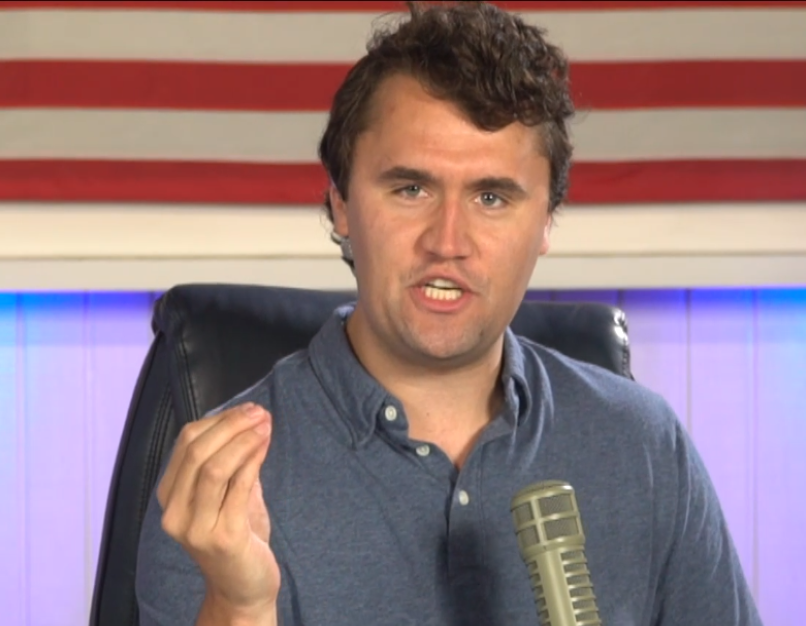
In the age of social media, public figures often find themselves at the center of discussions that go far beyond their professional achievements or ideological stances. One such public figure is Charlie Kirk, the founder and president of Turning Point USA, an influential conservative organization aimed at energizing young Americans around free-market values. While Kirk is best known for his outspoken political commentary and activism, his teeth have, somewhat unexpectedly, become a recurring topic of conversation on the internet. The keyword “Charlie Kirk teeth” surfaces in searches, memes, and social media threads, raising the question: Why has this aspect of his appearance become a meme, and what does it reveal about the intersection of politics and internet culture?
The Origin of the “Charlie Kirk Teeth” Meme
Charlie Kirk’s rise to prominence in conservative media was rapid. He became a familiar face on television panels, college campuses, and social platforms. As is common with many public figures in the digital age, every aspect of his appearance and delivery came under scrutiny—not just his words, but his mannerisms, style, and, yes, his teeth.
The “Charlie Kirk teeth” meme appears to have originated from viral photos and video clips highlighting the unique appearance of his smile. Some online commentators pointed out that Kirk’s upper teeth seem particularly prominent in certain angles or lighting, which quickly led to jokes, photoshopped images, and meme templates. The meme’s popularity grew as people began sharing exaggerated or satirical images on platforms like Twitter, Reddit, and Instagram, often detached from any serious political commentary.
The Power and Pitfalls of Internet Satire
On the surface, this fixation on Kirk’s teeth may seem harmless—a bit of light-hearted internet humor at the expense of a public figure. However, the persistence of the meme points to a deeper trend in online political discourse. In today’s digital environment, political debate often veers into the realm of personal appearance and superficial characteristics. Instead of engaging with Kirk’s arguments or the policies he supports, the conversation is sometimes sidetracked by jokes about his teeth.
This is not unique to Charlie Kirk. Many politicians and commentators, regardless of their beliefs, have faced similar treatment. From Hillary Clinton’s pantsuits to Donald Trump’s hair, the internet has a way of fixating on the physical or stylistic quirks of those in the spotlight. While this can foster a sense of humor and relatability, it also risks trivializing the substance of political dialogue.
The Psychology Behind the Meme
Why do people latch onto physical features like “Charlie Kirk teeth” as a point of humor or criticism? Part of the answer lies in the nature of internet culture. Memes are a form of social bonding and shorthand communication. By creating and sharing a meme about a public figure’s teeth, users can signal group membership, vent frustration, or simply participate in the viral moment.
Additionally, focusing on something as benign as teeth allows critics to poke fun at a figure without engaging in substantive debate. It’s easier—and often more effective in terms of virality—to share a joke than to dissect a complex political argument. For supporters of Kirk, the meme may be viewed as petty or mean-spirited, while detractors might see it as a playful jab.
Charlie Kirk’s Response and Public Perception
To date, Charlie Kirk himself has rarely acknowledged the meme about his teeth. Like many public figures, he seems to prefer focusing on his political mission rather than addressing ridicule about his appearance. This is a common strategy; addressing such memes can unintentionally give them more life and attention.
Nevertheless, the meme has become part of how some people recognize and remember Kirk. For better or worse, “Charlie Kirk teeth” is now part of the broader tapestry of his online persona. It serves as a reminder that in the world of viral politics, even the smallest details can become amplified and immortalized in internet culture.
The Broader Impact: Substance vs. Superficiality
The popularity of the “Charlie Kirk teeth” meme raises important questions about the direction of political discourse in the digital age. When public conversation shifts from policy and principle to appearance and personal quirks, it can erode the seriousness of political engagement. Such trends risk reducing complex individuals to the sum of their most meme-worthy traits, diverting attention from the real issues at stake.
At the same time, humor and satire have always played a role in politics. From political cartoons to late-night comedy, poking fun at leaders is a time-honored tradition. The challenge in the social media era is to balance levity with respect for the necessary seriousness of public debate.
Conclusion
The fixation on “Charlie Kirk teeth” is both a humorous footnote and a revealing case study in the culture of modern politics. It shows how quickly personal features can become viral talking points, sometimes overshadowing the substantive issues that matter most. For public figures like Charlie Kirk, it’s a reminder of the unpredictable nature of internet fame. For the rest of us, it’s an invitation to look beyond the memes and pay closer attention to the ideas and actions that truly shape our world.