
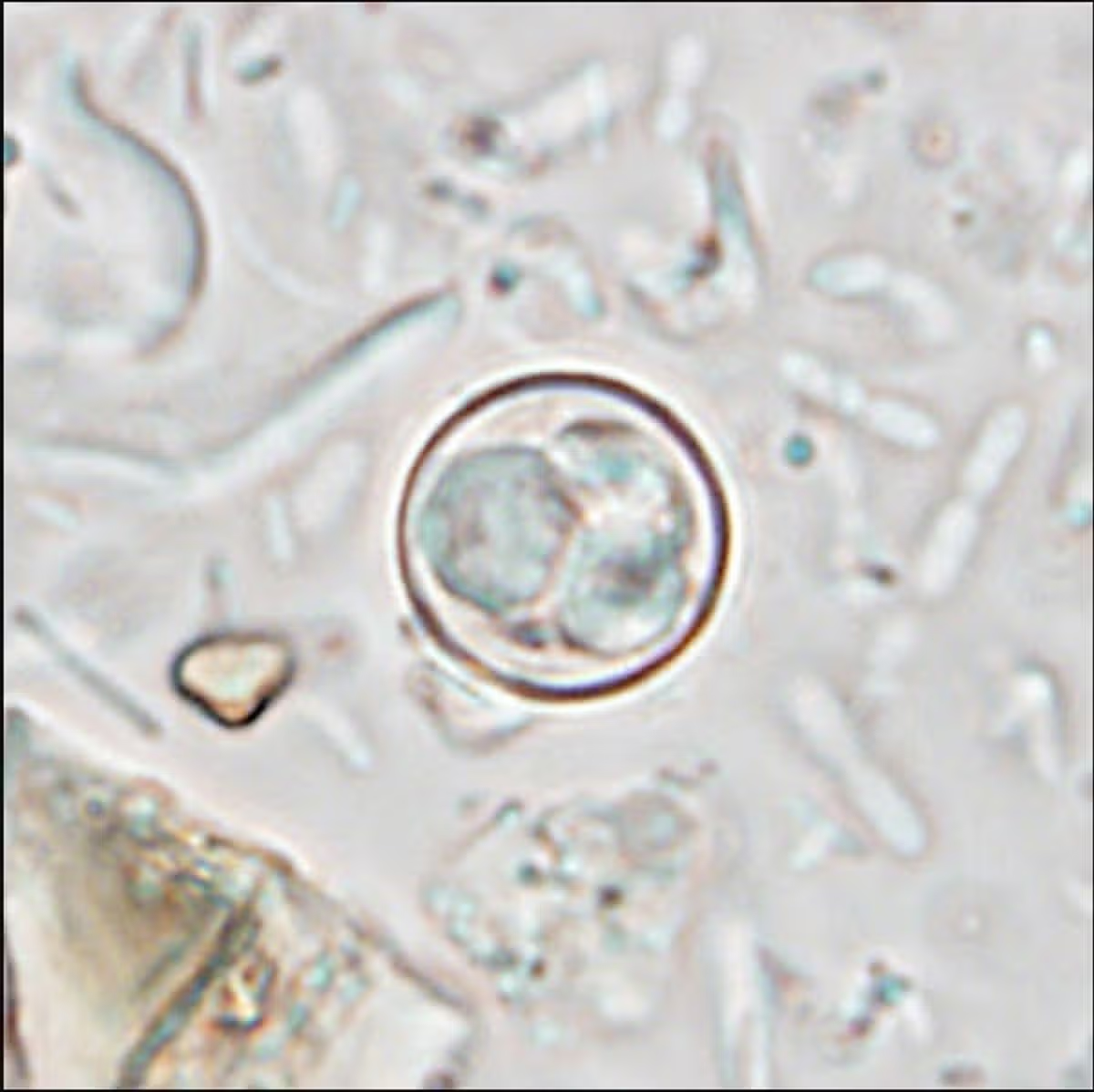
Cyclospora is a microscopic parasite that has become a growing concern in the field of public health, particularly in relation to foodborne illnesses. Over the past few decades, outbreaks of illnesses caused by Cyclospora cayetanensis have been reported in many countries, including the United States, Canada, and several nations in Latin America and Asia. This article provides a comprehensive overview of Cyclospora, discussing its biology, transmission routes, symptoms, diagnosis, treatment, and, most importantly, how to prevent infection.
What is Cyclospora?
Cyclospora cayetanensis is a single-celled protozoan parasite that infects the small intestine of humans, leading to an illness called cyclosporiasis. Unlike some other foodborne pathogens, Cyclospora is not considered a bacterium or a virus but rather a protozoa, which means it is a more complex microorganism. The parasite is not visible to the naked eye and requires special laboratory techniques for identification.
How is Cyclospora Transmitted?
Cyclospora is typically transmitted through the ingestion of food or water contaminated with feces containing the parasite’s oocysts (the infectious form of the parasite). Fruits and vegetables that are eaten raw, such as leafy greens, berries, basil, and cilantro, have been frequently implicated in outbreaks. Contaminated water can also serve as a vehicle for transmission, especially in areas with inadequate sanitation and water treatment.
Unlike some other foodborne pathogens, Cyclospora does not multiply in the environment or on food. After being excreted in human feces, the oocysts require days to weeks in the environment to mature and become infectious. This means that direct person-to-person transmission is unlikely.
Symptoms of Cyclosporiasis
The symptoms of cyclosporiasis typically begin about one week after ingesting contaminated food or water. The most common symptoms include:
- Watery diarrhea (sometimes explosive)
- Loss of appetite
- Weight loss
- Bloating
- Increased gas
- Stomach cramps
- Nausea
- Fatigue
Some people may also experience vomiting, low-grade fever, and muscle aches. The illness can last for several days to a month or more if left untreated, with symptoms sometimes relapsing. While cyclosporiasis can affect people of all ages, it can be especially severe in young children, the elderly, and people with weakened immune systems.
Diagnosis
Diagnosing cyclosporiasis can be challenging because its symptoms are similar to those of other gastrointestinal illnesses. Laboratory testing of stool samples is required to confirm the presence of Cyclospora oocysts. Special staining methods or molecular techniques, such as polymerase chain reaction (PCR), are often used because the parasite may not always be detected with standard tests.
Doctors may request multiple stool samples collected on different days to improve the likelihood of detecting the parasite. If you suspect you have cyclosporiasis, especially after consuming potentially contaminated produce or traveling to an area where the parasite is common, it’s important to inform your healthcare provider.
Treatment
The standard treatment for cyclosporiasis is a combination antibiotic called trimethoprim-sulfamethoxazole (TMP-SMX), commonly known by the brand names Bactrim, Septra, or Cotrim. Most healthy people recover quickly after starting treatment, with symptoms typically improving within a few days. For those who are allergic to sulfa drugs or cannot take this antibiotic, management focuses on supportive care, such as rehydration and electrolyte replacement.
It is important to complete the full course of antibiotics as prescribed, even if symptoms resolve, to ensure the infection is completely cleared. People with weakened immune systems may require longer treatment and should be closely monitored by their healthcare providers.
Prevention
Preventing cyclosporiasis relies mainly on good hygiene practices and safe food handling. Key preventive measures include:
- Wash all fruits and vegetables thoroughly under running water before eating, cutting, or cooking. Peel or cook produce when possible.
- Use safe, treated water for drinking and food preparation.
- Avoid consuming fresh produce and untreated water in areas where Cyclospora is common or outbreaks have been reported.
- Practice good hand hygiene, especially after using the toilet, changing diapers, and before handling food.
Because Cyclospora oocysts are resistant to routine disinfectants and chlorine, washing produce is the most effective measure but may not completely eliminate risk. In some cases, cooking vegetables and fruits can destroy the parasite.
Cyclospora Outbreaks
Outbreaks of cyclosporiasis are most commonly associated with imported fresh produce. Over the years, large outbreaks in North America have been linked to imported raspberries, basil, cilantro, snow peas, and lettuce. These outbreaks often occur during the spring and summer months when consumption of fresh produce is highest.
Public health agencies closely monitor cyclosporiasis cases and work to identify sources to prevent further spread. When outbreaks are detected, recalls and public warnings may be issued to protect consumers.
Global Impact and Public Health Response
Cyclospora is a significant cause of foodborne illness in developing countries with poor sanitation, but it has become an emerging issue in developed countries due to global food distribution. International cooperation is essential to ensure food safety standards are maintained throughout the supply chain.
In addition, education campaigns targeting both consumers and food industry workers can help reduce the risk of contamination and spread.
Conclusion
Cyclospora is a parasite that poses a growing threat to food safety worldwide. While infection can cause prolonged and sometimes severe illness, awareness, good hygiene, and safe food handling can significantly reduce risk. As global food supply chains expand, vigilance and cooperation between public health authorities, food producers, and consumers are essential to prevent and control cyclosporiasis outbreaks.